Ayodhya in Uttar Pradesh (India, of course!) is the birthplace of Lord Rishabh Dev (Sri Adinath), the first Tirthankara, teacher of Jainism. He travelled and taught, and continues to inspire, though millenia may have passed since he left his body at Kailas Mansarovar. He was born much before Sri Ram of the Hindu tradition.
Spirituality in India boasts a pallette of religions. Incidentally, the term ‘Hindu’ was used by the Arab traders to identify the people living east of the River Indus. Indus came to be known as Sindhu and the term Hindu was born. Uttar Pradesh, a state in the Indo-Gangetic plains had a flourishing trade, and became a political citadel as well. Many faiths and religions have mingled and coexisted in this land. Quite like the rest of India, there are thousands of holy places here, marked with the presence of sages, seers, devotees and mystics, bygone and present.
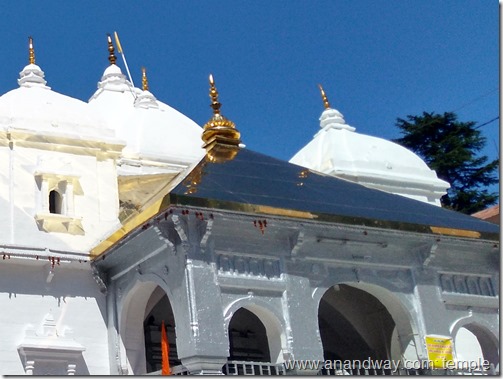
At Kanak Bhawan, the worship of Sita Ram is akin to that of Sri Radha Krishna in Vrindavan. Madhurabhakti is evident in festive celebrations, songs and the bhaav of pleasing the divine. Phool Banglas are an offering of love to please the divine couple, and shield them from the North Indian summer heat.