Kalpi on the banks of River Yamuna was a strategically important place. Akbar, the Mughal emperor had one of his mints here. In ancient Hindu scriptures the city was called Kalpriya Nagari, and there is said to be a grand sun temple here in Kalpi which was built by Sri Krishna’s son Sambh
Spirituality in India boasts a pallette of religions. Incidentally, the term ‘Hindu’ was used by the Arab traders to identify the people living east of the River Indus. Indus came to be known as Sindhu and the term Hindu was born. Uttar Pradesh, a state in the Indo-Gangetic plains had a flourishing trade, and became a political citadel as well. Many faiths and religions have mingled and coexisted in this land. Quite like the rest of India, there are thousands of holy places here, marked with the presence of sages, seers, devotees and mystics, bygone and present.
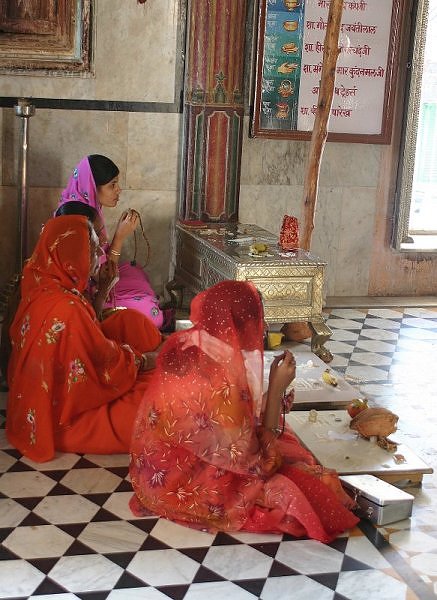
The Jain temples in Khajuraho have thriving monasteries attached to them as well as regular daily worship. Our guide gave us some rice to offer inside the temples. He explained that rice is a symbol of abundance and nirvana.
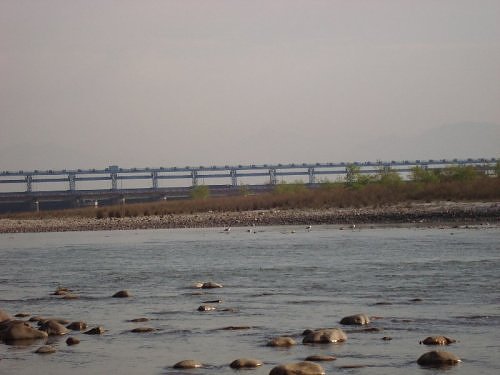
Enjoy the kaleidoscopic coming and going of families from cities and villages for bathing and worshipping here. Walk a little further up from Har ki Pauri to find almost vacant ghats behind the looming Lord Shiva statue on the highway to Rishikesh. Geese, gulls and a few black cormorants are great company here.